Learning Math with Probability Games
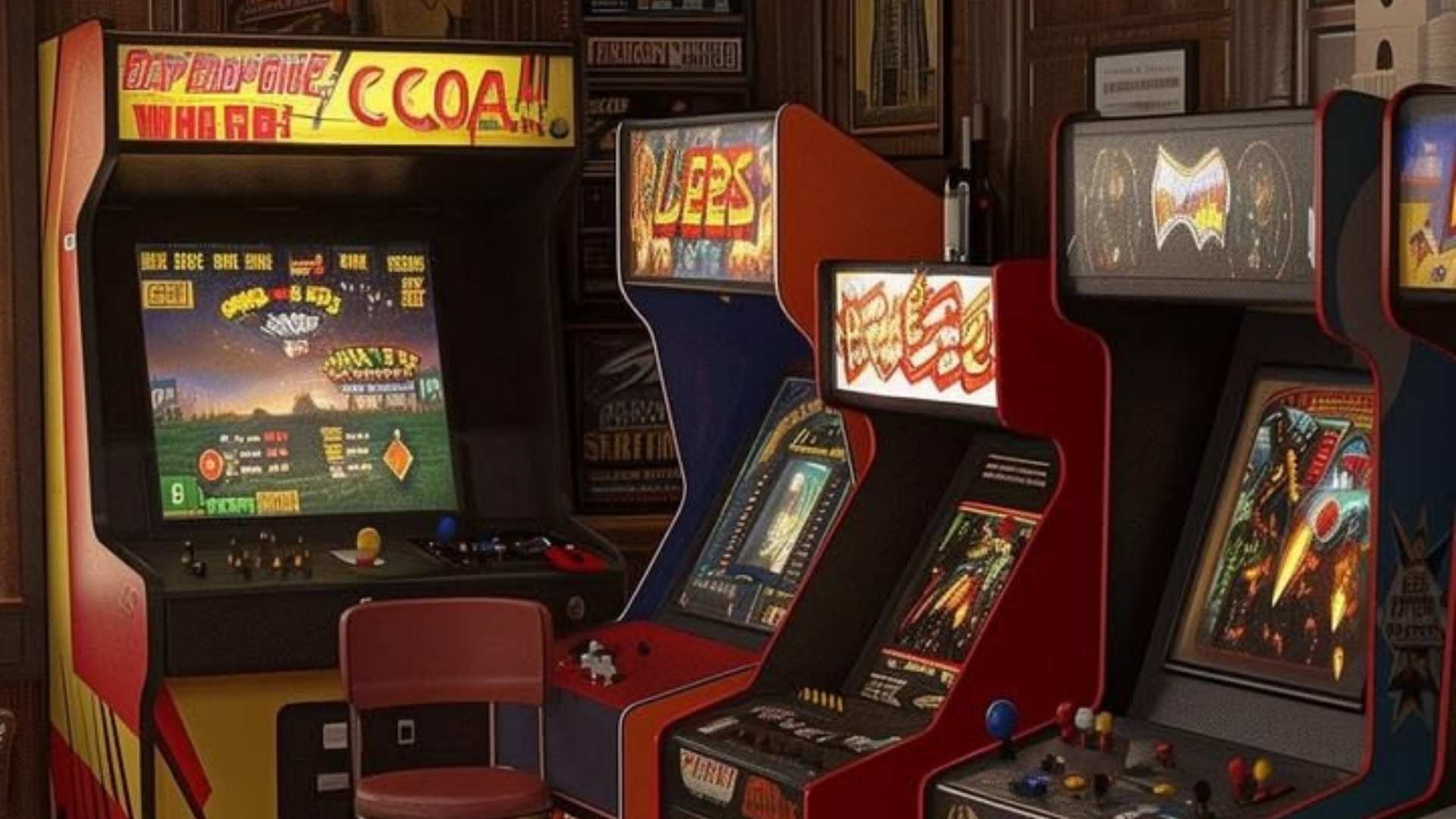
Mathematics often seems abstract and intimidating to young learners, making classroom engagement a continuous challenge. Integrating interactive elements like probability games can completely transform how students perceive formulas and numbers. By turning theoretical problems into active challenges, educators can foster a deeper interest in foundational mathematical concepts.
The Power of Gamification in Classrooms
Gamification introduces healthy competition and measurable goals that naturally motivate students to practice math regularly. When players calculate their next moves, they are subtly applying arithmetic and fractional reasoning without explicit pressure. This hands-on approach builds confidence and removes the anxiety frequently associated with traditional textbooks.
Furthermore, digital modules offer immediate feedback, allowing learners to adjust their analytical tactics dynamically. Experiencing mathematical principles through engaging online options, such as finding an educational M88 slot game, can illustrate how digital algorithms handle statistical data. Observing these visual systems helps bridge the gap between abstract algebra and tangible reality.
Understanding Randomness and Expected Value
At the core of probability lies the study of unpredictable events and calculated outcomes. Students learn to evaluate different scenarios by analyzing likelihoods rather than relying purely on guesswork. This process introduces the concept of expected value, showing how long-term averages guide strategic decision-making.
Understanding statistics also helps debunk common myths regarding modern gaming and everyday chance events. Recognizing that each independent coin toss or dice roll carries static odds builds crucial critical thinking skills. Over time, students develop a more logical mindset that benefits their overall scientific literacy.
Developing Practical Problem Solving Skills
Probability challenges encourage students to formulate hypotheses and test them through repetitive gameplay. By tracking empirical data across multiple rounds, they can compare experimental results with theoretical projections. This scientific method reinforces mathematical accuracy while keeping the educational experience thoroughly enjoyable.
Ultimately, these interactive exercises prepare minds for real-world risk management and financial choices later in life. Data visualization tools and gameplay trackers turn dry equations into dynamic lessons that resonate with modern tech-savvy students. Embracing these innovative tools paves the way for a more comprehensive and engaging math education.