Exploring Social Reward Features In Modern Games
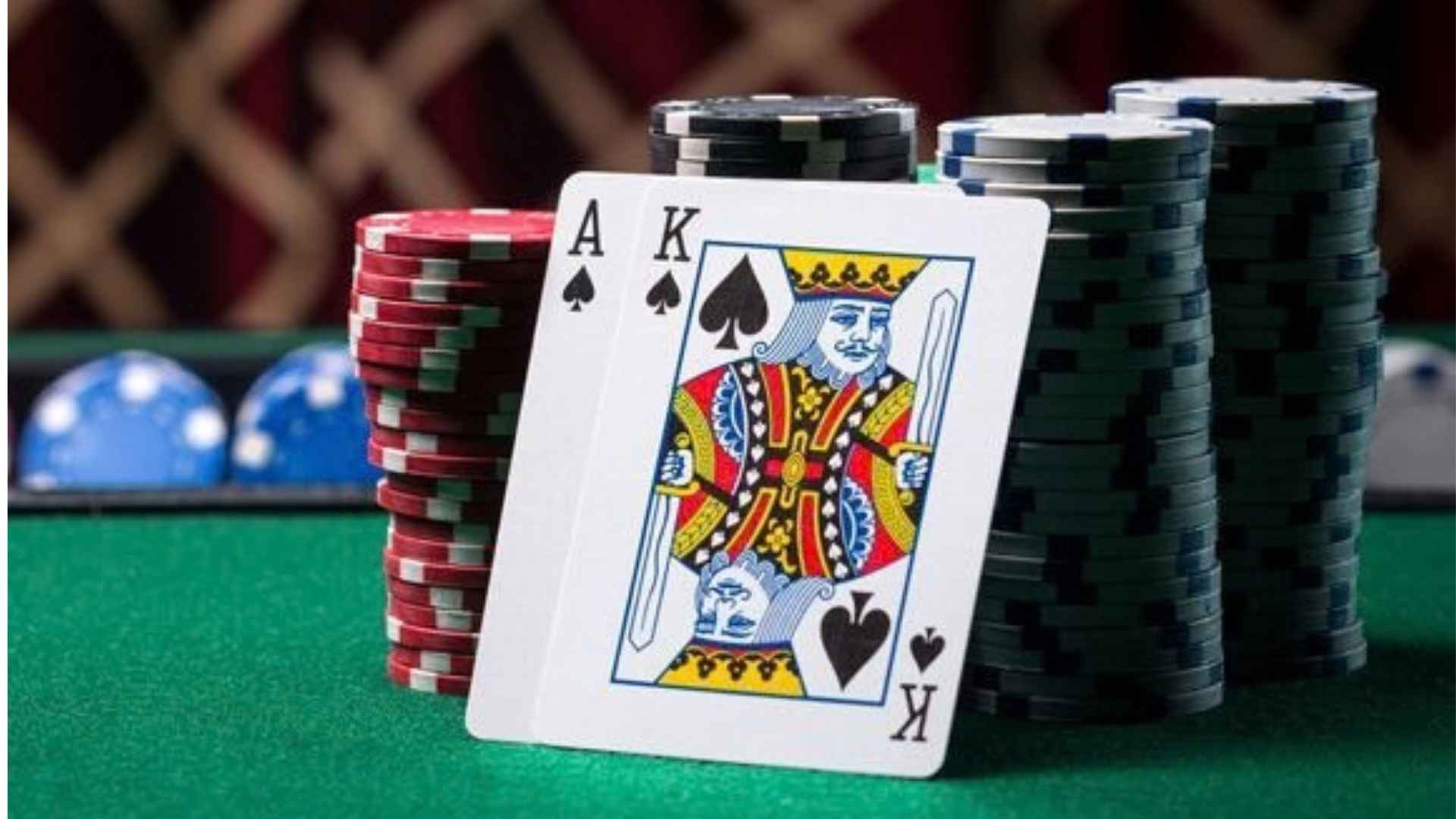
Modern video games are increasingly incorporating social mechanics that go beyond basic multiplayer connectivity, creating vibrant online communities centered around shared progress and mutual support. By offering incentives for collaboration, active participation, and friend referrals, game developers have transformed solitary gaming sessions into interactive social experiences. Understanding how these social reward systems operate helps players navigate community-driven titles while enjoying rich cooperative gameplay.
The Evolution of Community Cooperation Rewards
Cooperative guild systems and team challenges have become central elements in contemporary game design. Players often join forces to complete massive raid events, unlock shared resource pools, and earn exclusive team cosmetics that are impossible to obtain individually. This sense of collective achievement fosters long-term player retention and strengthens social bonds within digital gaming communities.
Shared milestones encourage regular interaction and strategic communication among team members. When an entire clan benefits from a single member's contribution, it builds a supportive environment where experienced players guide newcomers. Consequently, gaming shifts from pure individual competition to a collaborative effort focused on community growth.
Unlocking Benefits Through Peer Connections
In-game friend lists and social networks serve as active hubs for sending daily gifts, energy refills, and friendly match invitations. Many titles incentivize players to maintain active social circles by granting bonus experience points or rare items whenever teammates engage in shared activities. These lightweight daily interactions keep community ties strong without imposing heavy gameplay demands.
Furthermore, social leaderboards allow friends to celebrate each other's achievements rather than just competing aggressively. Gamers looking to explore integrated platforms often search for an m88 link to discover various digital gaming environments and options. Celebrating peer milestones ultimately enhances overall user satisfaction across diverse gaming genres.
Guild Progression and Shared Resources
Guild levels and clan treasuries represent structured forms of social rewards that reward long-term group dedication. By contributing extra materials or completing daily alliance quests, members collectively unlock guild-wide buffs, faster crafting times, and special vendor inventories. This mechanics ensures that every individual effort directly contributes to the success of the group.
The shared progression model also helps smaller or casual guilds remain competitive alongside hardcore gaming teams. Balancing individual effort with collective perks keeps the gameplay loop rewarding for all experience levels. As a result, players feel a stronger sense of loyalty to their gaming groups.
Future Trends in Interactive Social Gaming
As social features continue to evolve, developers are exploring cross-platform community events and interactive spectator systems. Gamers can now grant live stream viewers temporary power-ups or vote on event outcomes, creating a dynamic bridge between players and audiences. These innovative systems expand the definition of social rewards beyond traditional gameplay limits.
Ultimately, social reward features enhance player engagement by turning gaming into a shared journey rather than a solitary task. By emphasizing teamwork, friendly sharing, and group achievements, modern titles continue to build supportive environments for players worldwide. Embracing these social elements leads to richer, more fulfilling entertainment experiences.